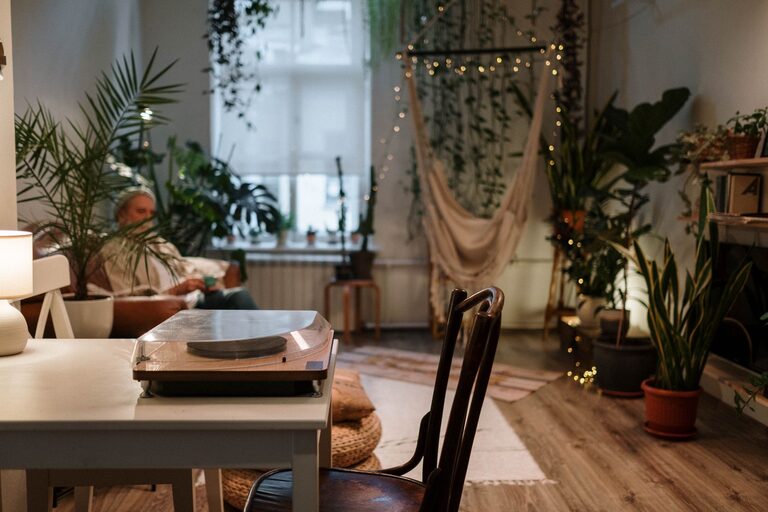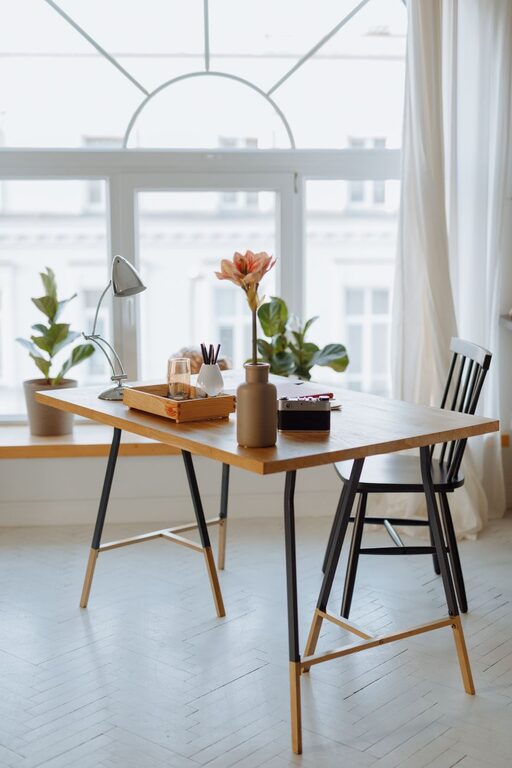


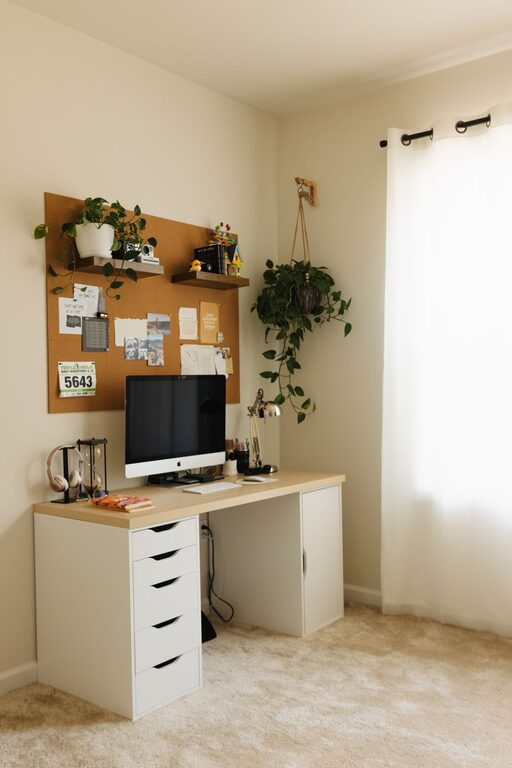
Creating a productive home office space is essential for anyone working remotely or running a business from home. A well-planned workspace can improve focus, enhance comfort, and boost overall efficiency. Whether you have a dedicated room or just a corner in your living area, setting up your workspace thoughtfully makes a big difference. Here are some helpful tips to create a home office environment that supports productivity and well-being.
Choose the Right Location
Selecting the best spot for your home office is the first step. Ideally, find a quiet area with minimal distractions. If possible, pick a room with a door you can close to separate work from home life.
– Natural Light: Opt for a space near a window. Natural light improves mood and reduces eye strain.
– Quiet Environment: Avoid busy areas like kitchens or living rooms where noise and foot traffic are common.
– Privacy: Having your own space helps set boundaries and signals to others that you are working.
Invest in Comfortable, Ergonomic Furniture
Spending long hours at your desk means comfort is key. Ergonomic furniture supports better posture and reduces the risk of injury.
– Chair: Choose an adjustable office chair with lumbar support.
– Desk: A sturdy desk at the right height helps keep wrists and arms comfortable. Consider a sit-stand desk if you prefer to switch positions.
– Monitor Placement: Position your screen at eye level to prevent neck strain.
Organize Your Workspace Efficiently
A cluttered desk can hinder concentration. Keep your essentials within reach and organize the rest for quick access.
– Declutter Regularly: Remove unnecessary items to maintain a clean workspace.
– Storage Solutions: Use drawers, shelves, or organizers to keep supplies tidy.
– Cable Management: Use clips or sleeves to manage cords and prevent tangling.
Optimize Lighting
Good lighting reduces eye strain and creates an inviting atmosphere.
– Balance Light Sources: Combine natural light with task lighting such as desk lamps.
– Avoid Glare: Position screens to avoid reflections from windows or bright lights.
– Warm vs. Cool Light: Cool white light promotes alertness, while warm light creates a relaxed mood. Choose lighting based on your work style.
Minimize Distractions
Maintaining focus requires managing potential distractions in your home environment.
– Set Boundaries: Communicate your work hours and space rules to family members or roommates.
– Noise Control: Use noise-canceling headphones or white noise machines if needed.
– Limit Digital Interruptions: Turn off non-essential notifications during focused work sessions.
Personalize Your Space
Adding personal touches can make your home office more inviting and boost motivation.
– Plants: Indoor plants improve air quality and add a calming touch.
– Artwork or Photos: Display images that inspire or make you happy.
– Color Scheme: Choose colors that enhance concentration, such as blues and greens.
Establish a Routine and Manage Time
Your environment works best when paired with healthy work habits.
– Set a Schedule: Plan regular work hours to create structure.
– Take Breaks: Step away from your desk periodically to rest your eyes and stretch.
– Create a Startup Ritual: Begin your day with a consistent routine to shift into work mode.
Use Technology Wisely
Equip your home office with tools that enhance productivity.
– Reliable Internet: Ensure strong connectivity for video calls and cloud work.
– Useful Apps: Organize tasks with to-do lists, calendars, or project management tools.
– Backup Power: Consider surge protectors or uninterruptible power supplies for protection against outages.
Keep Your Workspace Clean and Fresh
A clean environment promotes mental clarity.
– Daily Clean-Up: Spend a few minutes tidying up your desk at the end of each day.
– Air Quality: Ventilate the room regularly or use air purifiers.
– Refreshments: Keep water and healthy snacks nearby to stay energized.
—
By thoughtfully designing your home office space and developing good habits, you can create an environment that supports productivity and well-being. Remember, your workspace should work for you—feel free to adjust it as your needs and preferences evolve. Happy working from home!